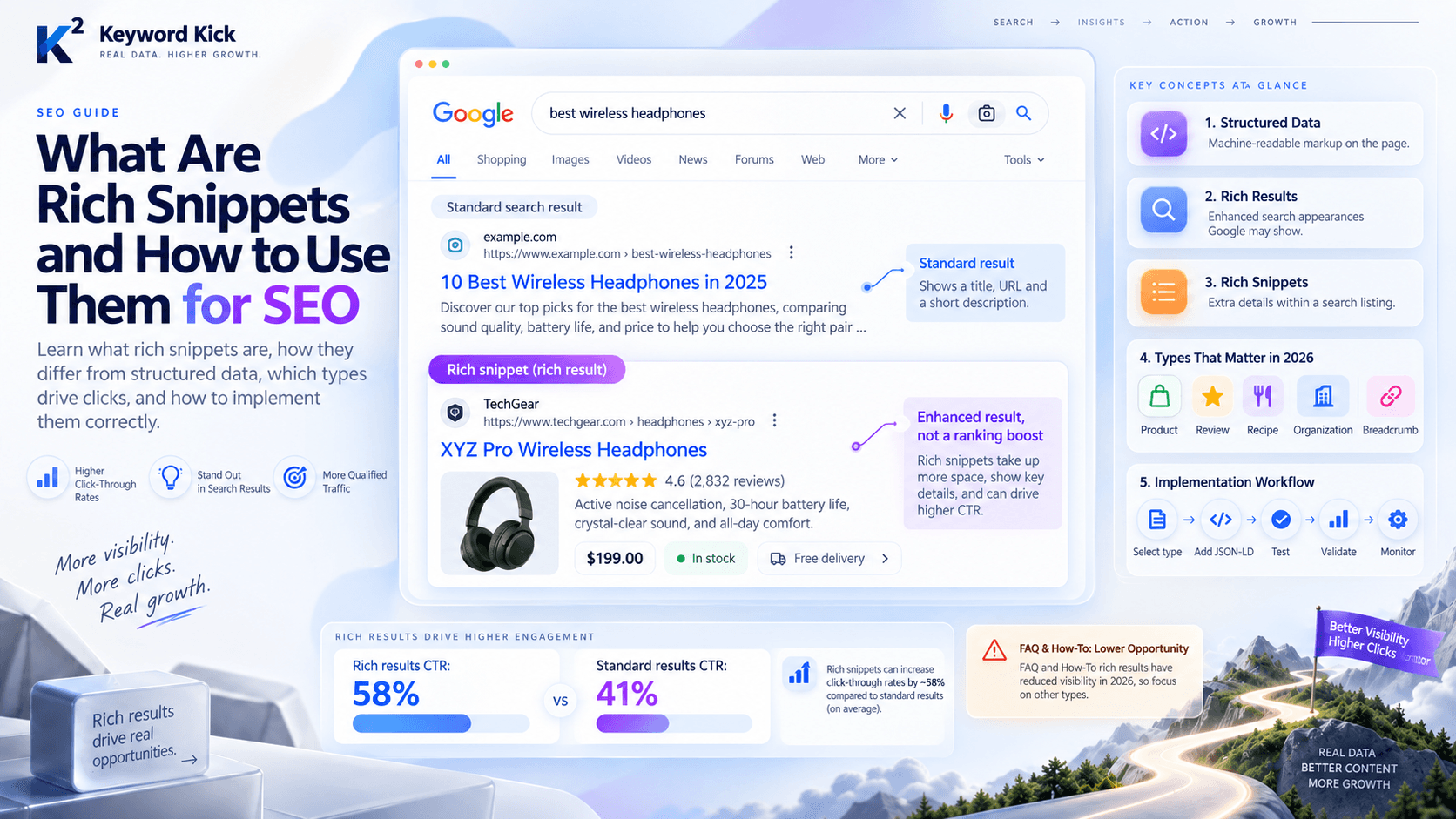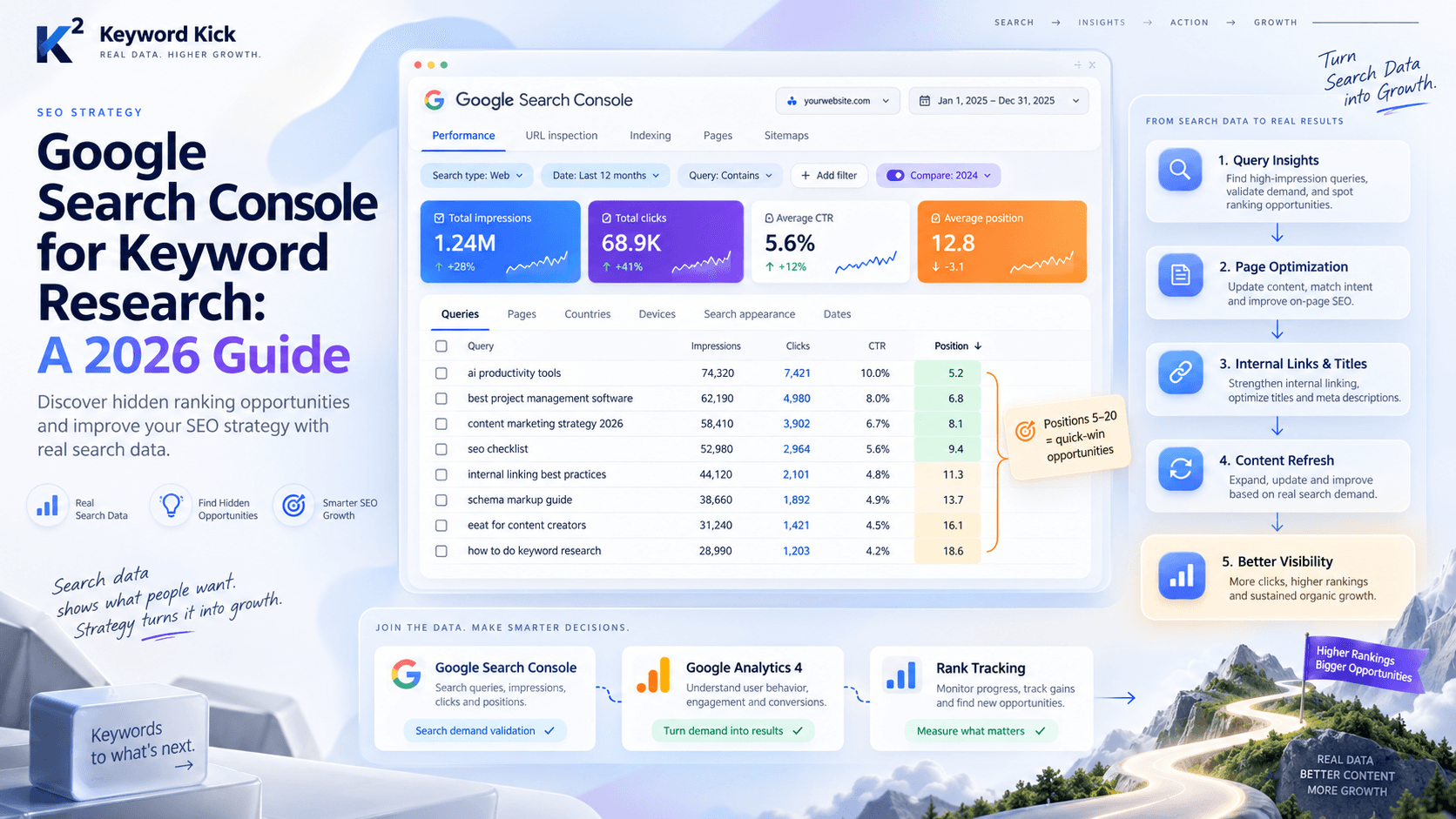

You spend hours drafting a post, polish the intro, add images, hit publish, and wait for traffic that never shows up. That cycle frustrates almost every blogger at some point. The problem usually isn't effort. It's that the post was published without the signals search engines need to discover it, understand it, and trust that it deserves visibility.
That's why most SEO advice feels disappointing. It turns into a giant checklist full of low-impact tasks while the handful of moves that effectively change outcomes get buried. These seo tips for bloggers focus on the most impactful work first. If you want a broader view of how search strategy connects to business growth, this guide on mastering B2B search engine optimization is a useful companion.
1. Conduct Comprehensive Keyword Research with Search Intent Analysis
Most bloggers start with a topic they want to write about. Strong SEO starts with a topic people are already searching for, then trims that idea down to one clear query. Backlinko recommends one main keyword per post and suggests that bloggers new to SEO prioritize long-tail terms first because they're less competitive, which is still one of the most practical ways to get early wins with content (Backlinko's blog SEO guide).
If you run a fitness blog, “running” is too broad to be useful. “How to start running as a beginner” is different. It tells you what the reader wants, what format will likely rank, and what angle the post should take.
Sort the keyword before you write
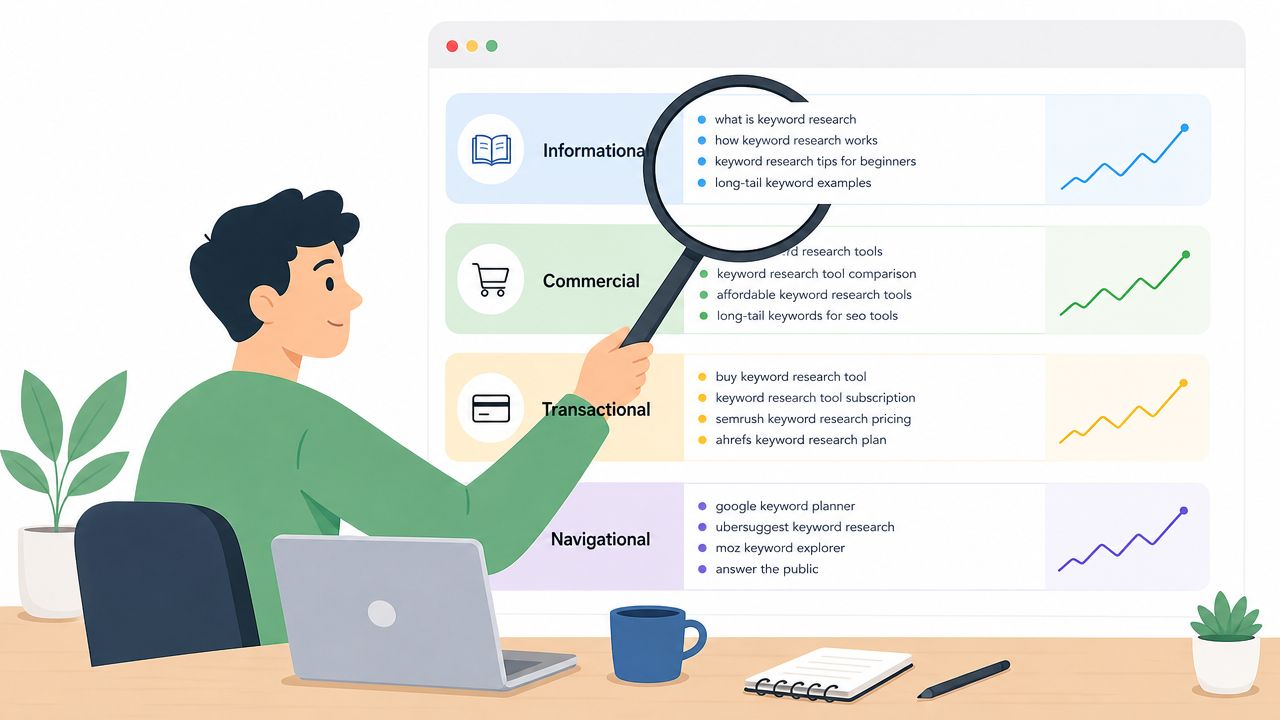
A keyword isn't just a phrase. It carries intent. Before you outline anything, decide whether the query is:
Informational intent: The reader wants an answer, tutorial, or explanation.
Navigational intent: The reader is trying to reach a specific site or brand.
Commercial intent: The reader is comparing options and evaluating solutions.
Transactional intent: The reader is ready to act, buy, or sign up.
When bloggers miss this step, they usually write the wrong page for the query. That's why an article can be good and still underperform.
Practical rule: If search results are filled with list posts and beginner guides, don't publish a sales page-style article and expect it to rank.
Keyword Kick is useful here because it helps turn isolated keyword ideas into a workable map. Instead of exporting one list from a keyword tool, another list from Search Console, and then manually deciding what to write next, you can build a workflow around intent, gaps, and priority. If you need a clean starting process, use this keyword research walkthrough for first rankings.
2. Optimize Content with Target Keywords and Semantic Variations
You publish the post, the writing is solid, and the page still drifts on page two. A lot of the time, the problem is not authority or word count. The page never made its topic clear enough to search engines or readers.
After keyword research, the next 80/20 move is simple. Make the target topic obvious in the places that carry the most weight, then build the rest of the page around closely related terms people expect to see. Yoast's guidance on SEO titles has been consistent for years: put the primary phrase near the beginning when it reads naturally, keep the title clear, and write it for the query you want to win (Yoast SEO title and meta description guidance).
Optimize the signals that matter first
Bloggers waste a lot of time tweaking minor elements while skipping the fields that shape relevance fastest. Start with the title tag, H1, URL slug, intro, and one or two subheads. If those are aligned, Google gets a cleaner read on the page, and visitors get fewer mixed signals.
A post targeting “on-page SEO checklist” should use that phrase, or a very close variation, in the title and opening copy. Then the supporting headings should cover the parts a searcher expects to see, such as title tags, internal links, image alt text, and meta descriptions. That is how semantic coverage works in practice. It is not about sprinkling synonyms for the sake of it.
Here is the trade-off bloggers run into. Exact-match repetition can make the copy stiff and reduce trust. Avoiding the keyword because stuffing feels risky creates the opposite problem. The page becomes vague. The fix is tighter structure, not more repetition.
Title tag: Place the main keyword early if it still reads cleanly.
H1 and intro: Confirm the topic fast so the reader knows they landed in the right place.
Subheads: Use specific labels that map to the query instead of clever headings that hide the topic.
Body copy: Add related terms and entities that belong to the subject naturally.
Meta description: Write for clicks, while reflecting the keyword theme clearly.
One practical check works well. Read only the title, H1, and H2s. If they outline a page that fully answers the query, your optimization is probably doing its job. If the headings sound generic, the page will usually rank like it.
Workflow proves more significant than isolated tips. Keyword Kick helps turn one target phrase into a usable content brief with supporting terms, topic clusters, and page-level priorities, so optimization happens as part of the writing process instead of as a cleanup job at the end. For a deeper look at writing pages that rank without sounding robotic, these proven content optimization techniques are worth reviewing.
3. Create In-Depth Content That Satisfies Search Intent
You publish a post you spent hours writing, it gets indexed, and then it sits on page three. The usual problem is not effort. It is mismatch. The post says one thing, while the searcher wanted another.
Google's SEO Starter Guide keeps the standard simple: make content clear, useful, original, and easy to scan. For bloggers, that usually means answering the query faster, choosing the right format, and cutting anything that slows the reader down.
Match the SERP first, then improve on it
Search intent shows up in the results long before it shows up in rankings. If the top pages for your query are tutorials, publish a tutorial. If they are comparison posts, write a comparison. If they are quick-answer articles, do not bury the answer under a long personal intro.
A query like “how to start a book blog” makes this obvious. Readers usually want setup steps, platform options, post ideas, and realistic ways to make money from the site. They are trying to get started, not read a reflection on why books matter.
A blunt review question helps here: did the draft solve the same problem as the top-ranking pages, and did it solve it more clearly?
That is the 80/20 move. Bloggers waste a lot of time polishing sections nobody searched for, while the core answer stays thin or hard to find.
Strong posts tend to share the same traits:
A fast answer: Give the reader the main takeaway near the top.
A useful structure: Organize the page around the sub-questions a real reader has next.
Real examples: Show the advice in action, not just as abstract tips.
A point of view: Add experience, trade-offs, and judgment the reader cannot get from a scraped summary.
Trade-offs matter. A beginner topic often needs clarity more than originality. A competitive topic may need a stronger angle, better examples, or firsthand testing to stand out. Adding more words rarely fixes either problem.
Keyword Kick helps connect those decisions into one workflow instead of a pile of separate tasks. You can see the target query, related subtopics, and page-level gaps in one place, then build a post that fits the SERP and supports your broader site structure. If you are planning related articles around the same topic, pair this step with a clear internal linking strategy for SEO growth so the post strengthens the rest of your content, not just itself.
4. Build a Strategic Internal Linking Structure with Descriptive Anchor Text
Internal linking is one of the easiest SEO wins bloggers underuse. It helps search engines discover pages, understand topical relationships, and see which pages matter most on your site. It also keeps readers moving instead of bouncing after one article.
The mistake is treating internal links like an afterthought. Bloggers finish a post, drop in two random “read more” links, and call it done. That doesn't build structure. It just creates clutter.
Link with intent, not habit
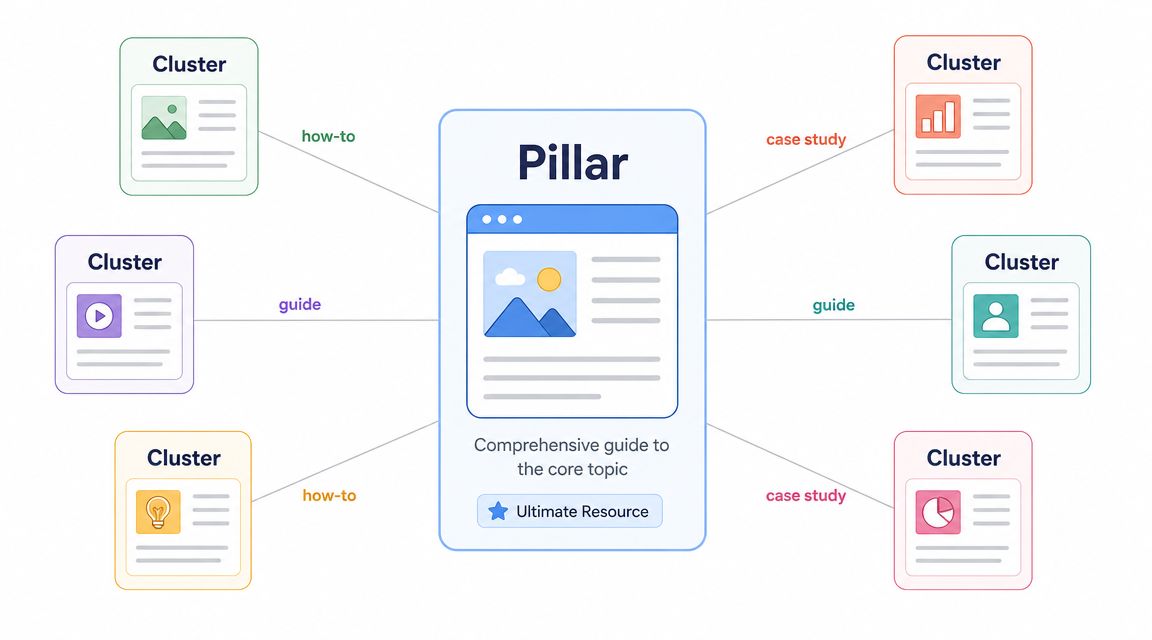
A better approach is to treat your blog like a library. You need cornerstone pages, supporting articles, and clear paths between them. If you have a pillar post on email marketing, articles about welcome sequences, subject lines, deliverability, and newsletter cadence should all connect back to it and to each other where relevant.
Use anchor text that tells both readers and search engines what they'll get after the click. “Email welcome sequence examples” is useful. “Click here” is not.
Link from authority pages: Add links from posts that already get traffic to newer posts you want discovered faster.
Support cornerstone content: Send multiple related articles to the main guide on the topic.
Keep anchors descriptive: Write anchors that match the topic of the destination page.
Stay relevant: Only link where the next page helps the reader continue.
A smart internal linking system compounds over time because every new post strengthens older ones when you connect them well. If you want to build that structure deliberately, this internal linking strategy guide is a strong reference.
5. Optimize Technical Performance, Page Speed, and Crawlability
You publish a strong post, share it, and see a brief spike. Then the page stalls because it loads slowly on mobile, key URLs are hard for search engines to find, or thin archive pages soak up crawl attention that should go to your money posts. Bloggers hit this wall all the time, and it usually has nothing to do with writing quality.
Technical SEO is the 80/20 fix here. You do not need a week-long audit or a developer retainer to get results. You need a short workflow that removes obvious friction first, then gives search engines a clean path through the site.
Google's documentation is clear on the basics. Help Google discover your important URLs with a sitemap, use robots.txt carefully, and avoid blocking pages you want indexed (Google Search Central on sitemaps and crawling).
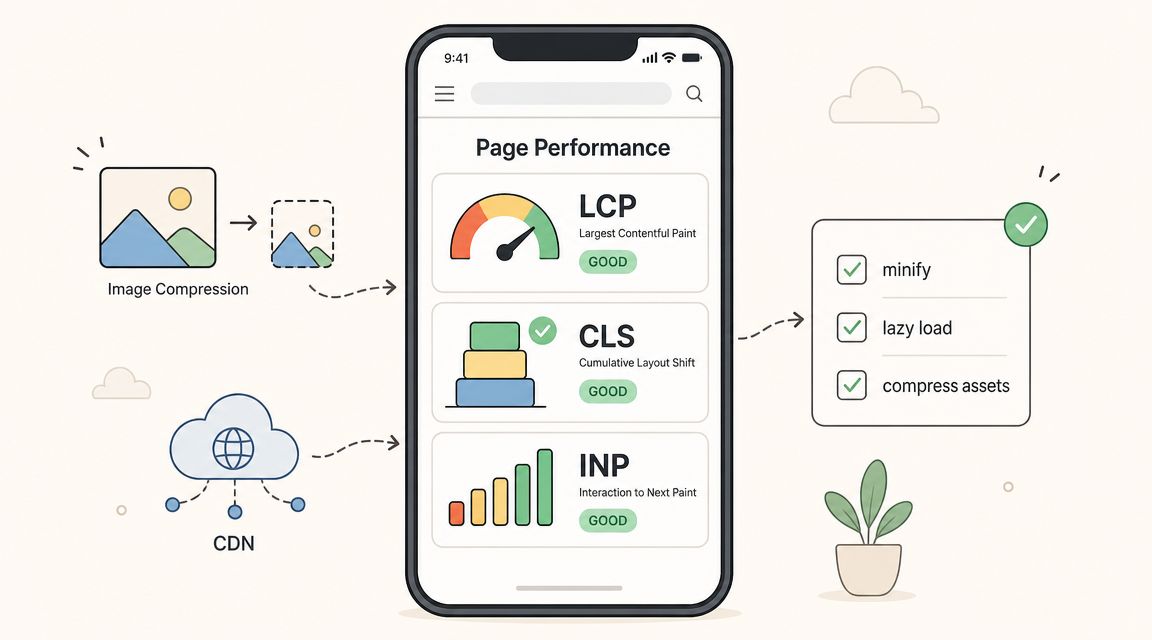
Fix the bottlenecks that actually cost traffic
Start with what breaks performance most often on blogs.
Large images are usually near the top of the list. Google recommends serving images in efficient formats and sizing them appropriately for the device instead of shipping oversized files to everyone (Google PageSpeed Insights documentation). In practice, that means compressing before upload, setting correct dimensions, and checking whether your theme creates bloated image variants.
Then look at site structure. Keep blog content on the main domain in a clean folder structure, keep your XML sitemap updated, and review tag or category archives critically. Some archives help users. A lot of them create thin, repetitive pages that add little value and waste crawl budget.
There is a trade-off here. Feature-heavy themes, visual builders, and plugin stacks make publishing easier, but they often increase script weight, layout shift, and render delays. If rankings matter, pick the simpler setup unless a heavier design clearly improves conversions.
Use this quick review:
Crawlability: Check robots settings and confirm important posts can be crawled.
Indexation: Submit and monitor your XML sitemap in Google Search Console.
Images: Compress files, serve modern formats where possible, and stop uploading raw exports from design tools.
Architecture: Keep the blog on your main domain in a logical subfolder structure.
Archives: Noindex low-value tag or category pages if they create duplicate or thin results.
Theme and plugin weight: Remove plugins that add scripts sitewide without a clear payoff.
Keyword Kick helps tie this work into the rest of your SEO process by surfacing indexing issues, page-level technical problems, and content opportunities in one workflow instead of scattered tools and browser tabs. For a practical reference, use this technical SEO guide for rankings.
6. Build High-Quality Backlinks Through Outreach and Strategic Partnerships
Backlinks still matter, but most bloggers approach them the wrong way. They either ignore link building completely and hope good content spreads on its own, or they send mass outreach emails asking strangers to link to average posts. Neither works well.
The practical path is to create pages worth citing, then promote them to people with a real reason to care. A strong original guide, a template, a useful resource page, or a sharply argued industry post gives other sites something to reference.
Earn links with assets, not requests alone
If you blog in finance, a tax checklist might earn links from accountants and small business communities. If you blog in SaaS, a clean onboarding template can attract mentions from consultants and agencies. Utility gets links more reliably than generic opinion posts.
Outreach still matters, but the pitch has to fit the asset. Broken-link outreach can work when you found a dead resource and your replacement is better. Guest posting also works when the publication is relevant and the article serves its audience first.
Study competing pages: Look at which types of content in your niche attract citations and mentions.
Create linkable formats: Templates, glossaries, tools, and deep reference content travel better than routine blog posts.
Pitch selectively: Contact sites where your page improves their article, not just your SEO.
Prioritize relevance: A link from a closely related site is usually more useful than an unrelated mention.
The trade-off here is time. Link building is slower than on-page work, and for many bloggers it shouldn't come first. But once your content and technical setup are in good shape, backlinks can help strong pages break through.
7. Monitor Rankings, Track Traffic Changes, and Analyze Competitive Performance
You publish a post, it climbs for a few weeks, then traffic falls off. The problem is not always the content. Sometimes the query changed, a competitor refreshed their page, or your title stopped earning clicks.
Tracking performance keeps you from guessing.
Regular reviews matter because blog SEO rarely improves from publishing alone. Strong sites keep an eye on rankings, clicks, impressions, and page-level traffic, then use that data to decide what to update, merge, expand, or leave alone.
Watch patterns, not single metrics
A ranking report on its own can send you in the wrong direction. A page might rise for a term with weak intent and still bring in no useful visits. Another page can hold its main keyword while losing visibility across dozens of long-tail queries that used to drive steady traffic.
Look at the full picture. Compare rankings with Search Console clicks and impressions, then review page traffic trends in analytics. After that, check the current SERP. If competitors now lead with fresher examples, stronger formatting, or a tighter match to intent, your next move becomes clearer.
If a post drops, resist the urge to rewrite everything at once.
Check four things first: intent shift, SERP changes, click-through rate, and freshness. That order saves time and prevents busywork. I have seen bloggers spend hours rewriting body copy when the actual issue was a weaker title or a result page that had shifted from informational posts to product-led roundups.
A practical review rhythm looks like this:
Weekly: Check priority pages and keyword groups for meaningful movement.
Monthly: Review pages losing clicks or impressions, then compare them with the current top results.
Quarterly: Revisit your content map for overlap, missed topics, and keyword cannibalization.
The 80/20 move is to monitor only the pages that can change your growth curve. Track the posts that already rank on page one or page two, the articles tied to revenue or email signups, and the clusters where one update can lift multiple terms.
Keyword Kick helps turn that into a workflow instead of a pile of disconnected checks. You can line up ranking data, Search Console trends, backlink changes, and competitor movement in one place, then decide whether a page needs a refresh, stronger internal support, or a different target altogether. That is how bloggers stop reacting to traffic drops and start managing SEO with priorities.
8. Implement Local SEO Strategies and Google Business Profile Optimization
Not every blogger needs local SEO. If you run a purely digital publication, skip this. But if your blog supports a service business, local visibility can drive some of the highest-intent traffic you get.
A wedding photographer, nutrition coach, personal injury attorney, or home services company shouldn't rely only on national blog keywords. They need pages and profiles that connect their expertise to a specific place and service area.
Make your location signals consistent
Local SEO falls apart when the basics are messy. Your business name appears one way on your site, another way in directories, and your Google Business Profile is half complete. That inconsistency weakens trust and creates confusion.
Focus on the essentials first. Fill out your Google Business Profile completely, keep your name, address, and phone details consistent, and publish content tied to local problems and services. A law firm blog, for example, might publish “What to do after a car accident in Austin” instead of another generic post about accident claims.
Google Business Profile: Complete categories, hours, photos, and service details.
Location pages: Build pages for real service areas if you serve them.
Local content: Write posts tied to regional questions, events, or regulations.
Review management: Encourage reviews and respond to them professionally.
Local links: Build relationships with chambers, associations, and local organizations.
For bloggers with local intent, this work often outperforms broad national targeting because the competition is narrower and the traffic is closer to action.
8-Point SEO Strategy Comparison for Bloggers
A lot of bloggers waste time treating every SEO task as equally important. It is not. Some actions move traffic. Others just keep you busy.
Use the table below as an 80/20 filter. Start with keyword research, on-page optimization, and search-intent match. Then support those wins with internal links, technical fixes, and measurement. Tools like Keyword Kick help tie that workflow together so you are not managing isolated tasks across five tabs and a spreadsheet.
Strategy | Implementation Complexity 🔄 | Resource Requirements ⚡ | Expected Outcomes 📊 | Ideal Use Cases 💡 | Key Advantages ⭐ |
|---|---|---|---|---|---|
Conduct In-Depth Keyword Research with Search Intent Analysis | Medium, ongoing research and analysis 🔄 | Moderate→High, keyword tools, analyst time ⚡ | 📊 Better query alignment, higher CTR, content gaps identified | 💡 New content strategy, audience discovery, keyword mapping | ⭐ Intent-driven targeting, long-tail opportunities |
Optimize Content with Target Keywords and Semantic Variations | Low–Medium, editorial changes and on-page tuning 🔄 | Low–Moderate, writers, SEO tools, editor time ⚡ | 📊 Improved relevancy, potential ranking lifts, snippet eligibility | 💡 Page-level optimization, refreshes, snippet targeting | ⭐ Clear relevance signals, improved UX |
Create High-Quality, In-Depth Content That Satisfies Search Intent | High, research, expert input, long-form production 🔄 | High, subject-matter experts, designers, editing, promotion ⚡ | 📊 Topical authority, backlinks, sustained organic traffic gains | 💡 Pillar content, competitive keywords, authority building | ⭐ E‑E‑A‑T, backlink magnet, repurposable asset |
Build a Strategic Internal Linking Structure with Descriptive Anchor Text | Medium, architectural planning and content edits 🔄 | Low–Moderate, editorial effort, site audit tools ⚡ | 📊 Better crawlability, distributed authority, improved UX | 💡 Topic cluster deployment, large content sites, pillar-cluster strategy | ⭐ Improves indexation and guides user journey |
Optimize Technical Performance, Page Speed, and Crawlability | High, technical fixes and developer implementation 🔄 | High, developers, hosting/CDN, performance tooling ⚡ | 📊 Faster pages, improved mobile rankings, fewer crawl/index issues | 💡 Slow sites, JS-heavy sites, mobile-first experiences | ⭐ Core Web Vitals compliance, better conversion rates |
Build High-Quality Backlinks Through Outreach and Strategic Partnerships | High, outreach, PR, relationship building 🔄 | High, content creation, outreach resources, PR budget ⚡ | 📊 Increased domain/topical authority and referral traffic | 💡 Authority growth, competitive niches, data-driven campaigns | ⭐ Strong ranking signal with compounding effects |
Monitor Rankings, Track Traffic Changes, and Analyze Competitive Performance | Low–Medium, setup and ongoing monitoring 🔄 | Moderate, rank trackers, analytics, analyst time ⚡ | 📊 Early issue detection, performance insights, data-driven prioritization | 💡 Ongoing SEO ops, performance validation, competitive intelligence | ⭐ Actionable diagnostics and trend visibility |
Implement Local SEO Strategies and Google Business Profile Optimization | Medium, profile+citation management and local content 🔄 | Low–Moderate, GBP management, citation building, schema ⚡ | 📊 Improved local pack visibility, more calls/visits, local conversions | 💡 Local service businesses, multi-location retailers, geo-targeting | ⭐ High local-intent conversions, lower national competition |
The trade-off is simple. Keyword targeting and intent alignment usually give bloggers the fastest return. Backlinks, technical fixes, and local SEO matter, but they pay off best after the content foundation is strong.
If you are short on time, do not try to advance all eight areas at once. Pick the few that directly affect what you publish this month, track results, and build from there. That is how SEO becomes a repeatable growth system instead of a pile of disconnected tasks.
Turn SEO Tactics into a Sustainable Growth Engine
A common blogger scenario looks like this. You publish consistently, tweak a plugin, test a headline formula, maybe chase a backlink opportunity or two, and traffic still feels flat. The problem usually is not effort. It is sequence.
Sustainable search growth comes from doing the right work in the right order. Start with a keyword that matches a real search goal. Publish one page that covers that topic clearly. Connect it to related posts with useful internal links. Make sure the page can be crawled and loads without obvious friction. Then watch what gains traction and improve that first.
This is the 80/20 for bloggers. Keyword targeting, intent match, internal links, and updates usually produce more movement than spending hours on minor settings or scattered experiments. Technical fixes, backlinks, and local work still matter, but they tend to pay off better once the content foundation is in place.
Updating existing posts deserves special attention. In practice, improving a page that already ranks on page two or the bottom of page one often beats writing a new article from scratch. Tighten the structure, sharpen the search intent match, improve the title and description, add missing subtopics, and replace dated examples. That is often the fastest path to more clicks.
Tool sprawl also slows progress. If keyword research sits in one tool, rankings in another, technical issues in a third, and content notes in a doc no one revisits, the workflow breaks down. Bloggers do not need more disconnected reports. They need a clear order of operations.
Keyword Kick fits that workflow well because it turns scattered SEO tasks into a single system. It helps you spot which pages to refresh first, where internal links are missing, which keyword opportunities are realistic, and what technical issues are blocking progress. That keeps the focus on actions that can move traffic this month, not busywork that looks productive.
For solo creators and lean teams, that matters. Consistency beats complexity. If you are also thinking about broader promotion channels beyond search, this look at a github free promotion tool may give you a few additional ideas.
Keyword Kick helps you turn these tactics into a working system instead of a scattered checklist. If you want one place to prioritize content updates, keyword opportunities, internal links, technical fixes, and competitive gaps, try Keyword Kick and let K² show you what to do next.