What SEO Tool Builders Understand About Growth — And What Platforms Still Miss
SEO did not scale globally because of theory alone. It scaled because builders turned strategy into systems.
Some of the most influential figures in modern SEO didn't just teach optimization. They built infrastructure. And that difference matters.
If you look at the work of Gael Breton, Tim Soulo, Ross Hudgens, Matthew Howells-Barby, and Sam Oh, you see a consistent pattern: SEO succeeds when systems are built around leverage. But systems require prioritization.
Gael Breton: Method Before Motion
Gael Breton helped systematize SEO education through Authority Hacker. His approach emphasizes repeatable frameworks, controlled experimentation, and structured monetization.
It is builder-first thinking. Not random growth. But even the most disciplined methodology still requires one central decision: What do we focus on now? Method without prioritization still creates diffusion.
Tim Soulo: Data-Driven Positioning
Tim Soulo helped shape Ahrefs into one of the most data-centric SEO platforms in the market. His philosophy leans heavily into clear positioning, product-led marketing, and transparent metrics.
Data visibility became a competitive advantage. But visibility alone does not guarantee clarity. The next competitive layer is not more data. It is better synthesis.
Ross Hudgens: Agency-Scale Discipline
Ross Hudgens built Siege Media on scalable content systems. His focus: Content ROI modeling, editorial quality control, and predictable traffic growth.
Agency environments force hard prioritization. Resources are finite. Client expectations are measurable. In those environments, the ability to identify highest-leverage opportunities becomes the real differentiator.
Matthew Howells-Barby: SaaS Growth Integration
Matthew Howells-Barby pushed SEO into SaaS growth infrastructure at companies like HubSpot. His work reinforced something important: SEO is not a silo. It intersects with product adoption, funnel design, and conversion pathways.
Once SEO connects to revenue systems, it cannot operate through surface metrics alone. It requires structured decision logic.
Sam Oh: Storytelling at Scale
Sam Oh helped translate complex SEO concepts into scalable content systems at Ahrefs. Clarity. Repeatability. Distribution discipline.
But distribution at scale increases one core risk: Execution without strategic filtering. Volume amplifies mistakes if prioritization is weak.
The Structural Gap
These operators understand growth systems. They understand positioning, leverage, and scalability.
But even the best-built SEO tools largely stop at data exposure, reporting layers, and feature expansion.
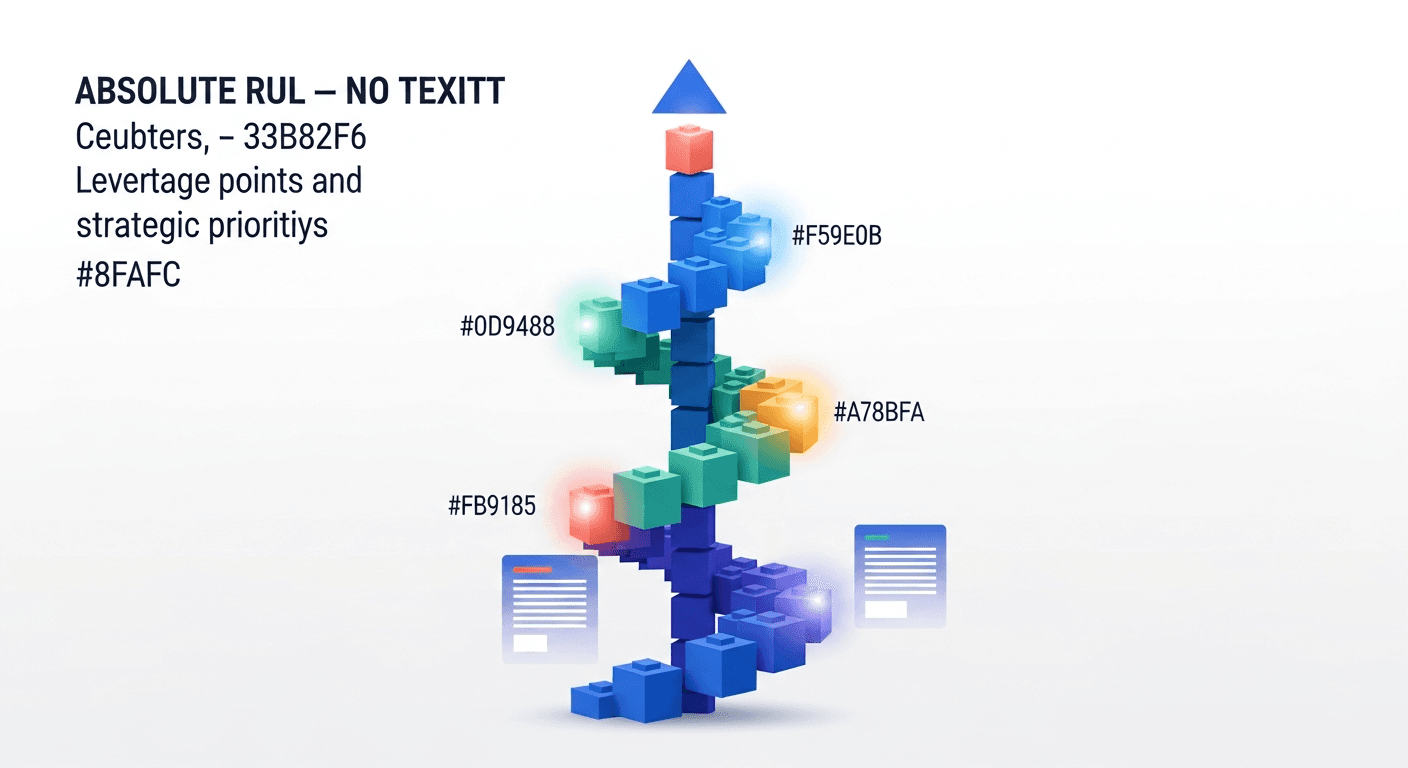
The missing layer is strategic orchestration. An AI SEO agent should not just surface metrics. It should evaluate all connected data sources simultaneously, weigh initiatives against defined growth targets, rank actions by relative impact, and present structured execution pathways. Not suggestions. Not generic advice. But prioritized decisions.
That is the architectural leap from tool to system.